

Associações da indústria de escovas lançam novas diretrizes para controle de qualidade de cerdas
Associações da indústria de escovas lançam novas diretrizes para controle de qualidade de cerdas
The global brush industry, a cornerstone of sectors ranging from cosmetics to industrial manufacturing, has taken a significant step toward standardizing product excellence with the recent release of new bristle quality control guidelines by leading industry associations. Spearheaded by bodies such as the International Brush Manufacturers Association (IBMA) and regional alliances, the guidelines aim to address growing concerns over inconsistent bristle quality, which has long impacted product performance, consumer trust, and cross-border trade.
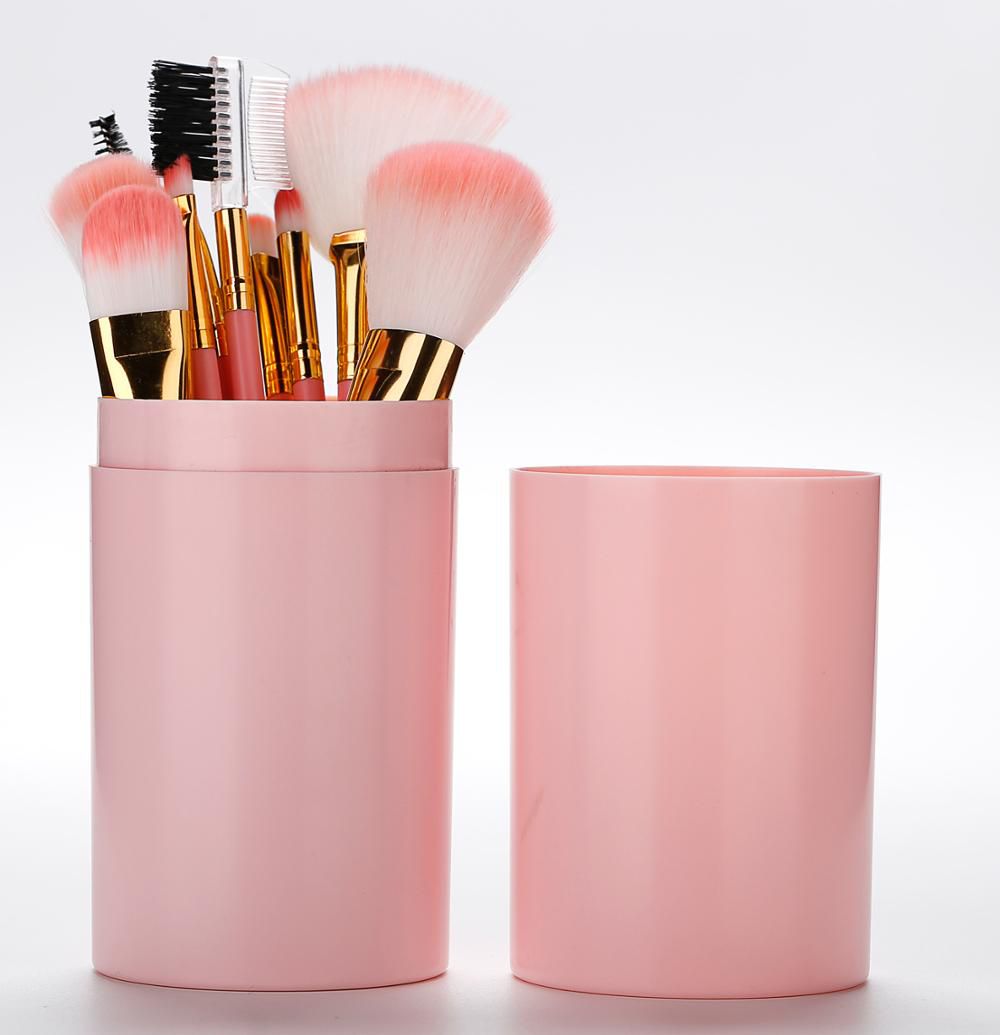
Bristles, the core component of any brush, directly influence functionality—whether it’s the softness of a cosmetic brush, the durability of a paintbrush, or the precision of a medical instrument. In recent years, rapid market expansion, particularly in the cosmetics and personal care sector, has led to a surge in demand for diverse bristle types, from natural fibers like goat hair and badger hair to synthetic alternatives such as nylon and PBT (polybutylene terephthalate). However, this growth has also brought challenges: varying production standards, unregulated material sourcing, and inadequate testing protocols have resulted in products prone to shedding, brittleness, or even safety risks (e.g., contamination with harmful chemicals).

The new guidelines tackle these issues through three key pillars. First, material classification and sourcing standards clearly define quality benchmarks for both natural and synthetic bristles. For natural fibers, the guidelines mandate traceability—requiring suppliers to provide documentation on animal welfare practices, harvesting methods, and fiber grade (e.g., "superfine" vs. "standard" goat hair). Synthetic bristles, meanwhile, must meet strict chemical composition criteria, including limits on heavy metals (e.g., lead, mercury) and volatile organic compounds (VOCs), ensuring compliance with global safety regulations like the EU’s REACH.
Second, production process controls outline best practices for bristle preparation. This includes standardized cleaning protocols (e.g., pH-neutral detergents for natural fibers to preserve softness), heat treatment parameters to enhance synthetic bristle resilience, and anti-static treatments to prevent fiber clumping. Notably, the guidelines also introduce minimum requirements for bristle alignment and trimming, a critical factor in ensuring uniform brush performance.
Third, testing and certification protocols establish rigorous methods to verify bristle quality. Mandatory tests include tensile strength (to prevent shedding), abrasion resistance (for longevity), and microbial contamination checks (especially for cosmetic and medical brushes). Manufacturers must now obtain third-party certification from accredited labs, with results made publicly available to build consumer transparency.
Industry experts hail the guidelines as a "game-changer" for both producers and consumers. For manufacturers, compliance may require initial investments in upgraded testing equipment or supplier audits, but the long-term benefits are clear: reduced product recalls, enhanced brand reputation, and smoother access to international markets where quality standards are increasingly stringent. "In an era where consumers prioritize sustainability and safety, these guidelines give manufacturers a competitive edge by aligning with global expectations," notes Maria Lopez, a senior analyst at BeautyTech Insights.
Consumers, too, stand to gain. Standardized bristle quality means more reliable products—cosmetic brushes that blend makeup evenly without shedding, industrial brushes that maintain precision over extended use, and medical brushes that minimize infection risks. Retailers are already expressing enthusiasm, with major beauty chains like Sephora and Ulta indicating they may prioritize brands compliant with the new guidelines.
Looking ahead, the guidelines are expected to drive innovation in bristle technology. As manufacturers adapt to stricter standards, R&D efforts may focus on developing eco-friendly synthetic fibers with natural-like softness or improving natural fiber sourcing through sustainable farming practices. "Quality control isn’t just about compliance—it’s about pushing the industry forward," says James Chen, CEO of a leading brush manufacturer. "These guidelines set a baseline, but the real opportunity lies in exceeding them."
In a market where differentiation is key, the new bristle quality control guidelines mark a pivotal shift toward prioritizing excellence over cost-cutting. By unifying standards, the brush industry is not only safeguarding consumer trust but also laying the groundwork for sustainable growth in a globalized marketplace.


