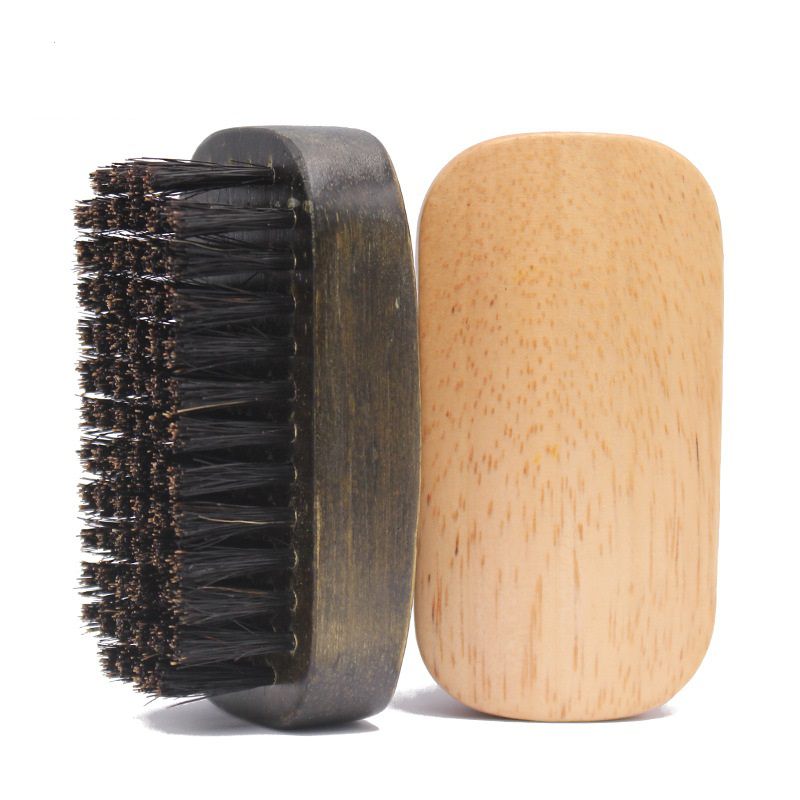
Escovas de barbear de pêlo de cabra: uma opção intermediária entre texugo e javali
Escovas de barbear de pêlo de cabra, uma opção intermediária entre texugo e javali
No mundo do barbear húmido tradicional, o pincel de barbear é mais do que uma ferramenta – é a pedra angular do ritual, transformando uma simples rotina numa experiência sensorial. Entre os materiais de escova mais discutidos, o pelo de texugo e de javali domina há muito tempo a conversa: o texugo pela sua suavidade e luxo incomparáveis, o pelo de javali pela sua durabilidade e preço acessível. No entanto, há um terceiro concorrente ganhando força silenciosamente: pêlo de cabra. Posicionados como um meio-termo equilibrado, os pincéis de barbear de pêlo de cabra oferecem uma combinação atraente de desempenho, conforto e valor que preenche a lacuna entre seus equivalentes mais famosos.
Para entender por que o pelo de cabra é importante, é essencial primeiro desvendar os pontos fortes e as limitações do texugo e do javali. O cabelo de texugo, especialmente variedades de alta qualidade como o silvertip, é valorizado por sua textura ultramacia e excepcional retenção de água. Suas fibras naturais cônicas e ocas criam um nó denso e macio que gera espumas ricas e cremosas com o mínimo esforço, deslizando suavemente sobre a pele para reduzir a irritação. No entanto, este luxo tem um custo: as escovas de texugo são muitas vezes a opção mais cara e as preocupações éticas em torno do fornecimento (algumas regiões enfrentam problemas de sustentabilidade) levaram os consumidores ecologicamente conscientes a procurar alternativas.
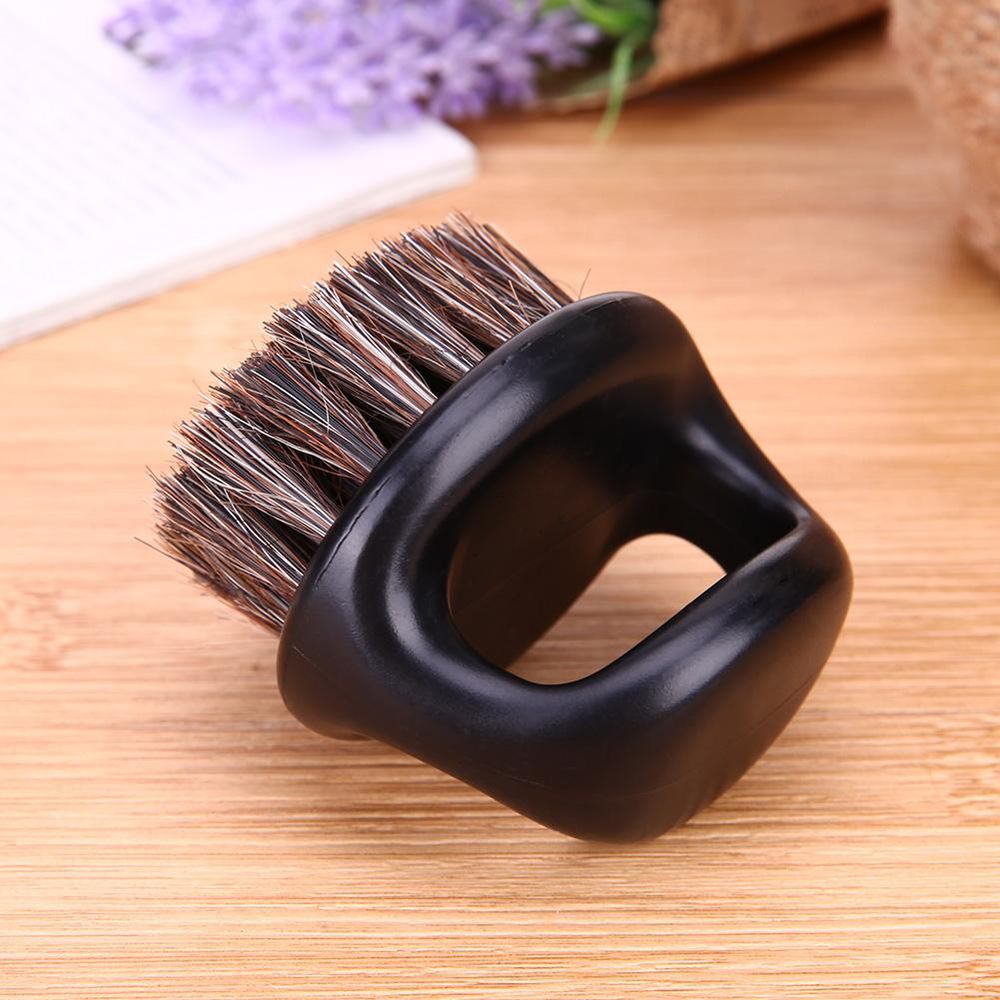
O cabelo de javali, por outro lado, é celebrado pela sua resiliência. Mais rígidas que o texugo, as cerdas de javali são robustas e duradouras, o que as torna ideais para o uso diário. Eles também são econômicos, acessíveis para iniciantes ou para aqueles que priorizam a praticidade em vez da indulgência. No entanto, a sua rigidez pode ser uma desvantagem: as escovas de javali podem ser ásperas na pele sensível e as suas fibras mais grossas produzem espumas menos densas em comparação com as do texugo.
Digite cabelo de cabra. Provenientes de cabras domésticas (um subproduto das indústrias de laticínios e carnes, alinhando-se com práticas sustentáveis), as fibras de pelos de cabra atingem um equilíbrio notável. Eles são mais macios que o javali - geralmente comparados ao texugo de qualidade inferior (como o texugo puro) - mas mais firmes que o silvertip, oferecendo uma sensação “média” que funciona para a maioria dos tipos de pele. A estrutura natural do pêlo de cabra, com hastes semi-ocas, confere-lhe uma excelente absorção de água, embora não tão superior como a do texugo. Isto se traduz em espumas ricas e estáveis, embora um pouco menos volumosas do que as das escovas de texugo.
A durabilidade é outra vantagem importante. O pêlo de cabra é mais resistente que o de texugo, resistindo ao emaranhamento e ao desgaste ao longo do tempo, mas é mais suave para a pele do que o de javali. Isso o torna uma escolha confiável tanto para barbeadores regulares quanto para barbeadores com sensibilidade leve. Em termos de preço, as escovas de pêlo de cabra ficam diretamente entre o javali e o texugo: mais acessíveis do que o texugo de ponta prateada, mas um pouco mais caras do que as opções básicas de javali, oferecendo “valor premium” pelo custo.
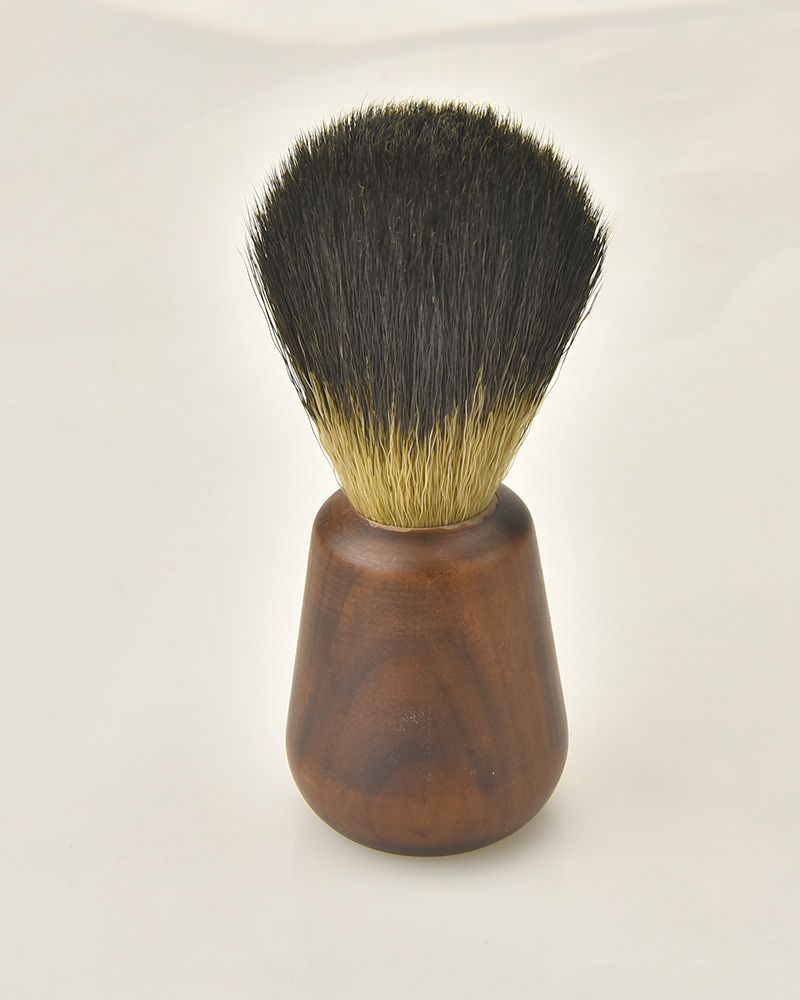
Quem se beneficia mais com pêlo de cabra? Os iniciantes que estão fazendo a transição das lâminas de barbear descartáveis apreciarão sua natureza indulgente – mais macia que a do javali para evitar irritações, mas resistente o suficiente para aprender técnicas de espuma. Os barbeadores intermediários que buscam uma atualização do javali sem gastar muito com o texugo acharão seu desempenho satisfatório. Mesmo os entusiastas ecologicamente conscientes, atraídos pelo seu fornecimento sustentável (as cabras não são criadas apenas pelos seus pêlos), podem optar pelo pêlo de cabra como uma alternativa ética ao texugo.
Num mercado onde os consumidores exigem cada vez mais equilíbrio – entre luxo e praticidade, desempenho e ética – as escovas de barbear de pêlo de cabra estão a conquistar o seu nicho. Eles não substituem o texugo ou o javali; em vez disso, preenchem a lacuna para aqueles que desejam o melhor dos dois mundos: suavidade sem preço exorbitante, durabilidade sem aspereza. À medida que a comunidade de barbear molhado se torna mais diversificada, o pêlo de cabra é uma prova de que, por vezes, o meio-termo é onde reside a verdadeira inovação.